Roof Inspection in Stoneham from free with a quote. What you have got, how many winters it has left, and whether the roof space is the real problem. Free inspection and a written quote.
In a cape, most of what an inspection would normally look at is behind a finished ceiling. The report has to say plainly what could and could not be seen, because a roof space that is mostly rooms does not give up its evidence the way an open attic does.
Most people book one because somebody has told them the roof needs work -- a home inspector during a sale, a neighbor's contractor, or somebody who knocked. All three deserve a second opinion from a person who did not raise it.


The inspection is free when attached to a quote, and what follows is the ordinary repair range of $350 to $1,800. You get the slope, the details that fail, the roof space, photographs of anything reported and a written view on remaining life -- including when that view is that nothing needs doing. Access and staging appear as real lines on a hilly, tightly built lot. And where a cape has rooms in the roof, the ventilation work that stops it damming is a separate job from the covering -- priced separately, and worth doing.
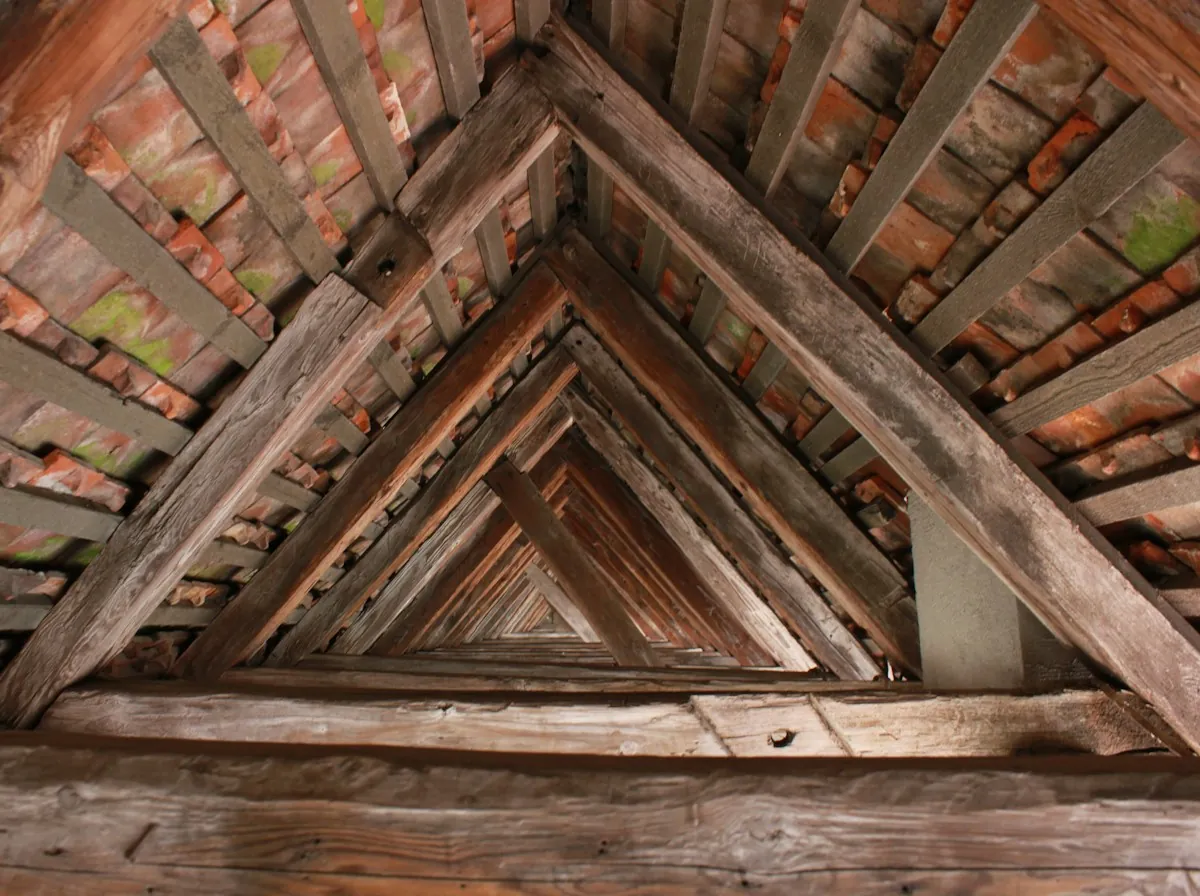
In this climate the underside holds the evidence. Old water tracks above the wall plate say ice damming rather than a hole. Frost on the deck says ventilation. Dark flattened insulation says where to look next.
Whether the deck is board sheathing or plywood, and how many coverings sit on it. Both decide what can be done next and neither is visible from the ground.
Find work every time. If the covering is sound and whoever raised the doubt was wrong, that is what the document says.
Hilly ground and close-set lots make access and staging a real part of the price rather than an afterthought, and the capes here frequently have rooms in the roof, which changes the ventilation picture completely and is the commonest cause of a dam that keeps coming back.
Where there are rooms in the roof, the roof is part of the heated building rather than a lid over a cold void, and it behaves differently every winter.
Worth knowing before you start ringing round, particularly if this started in February.
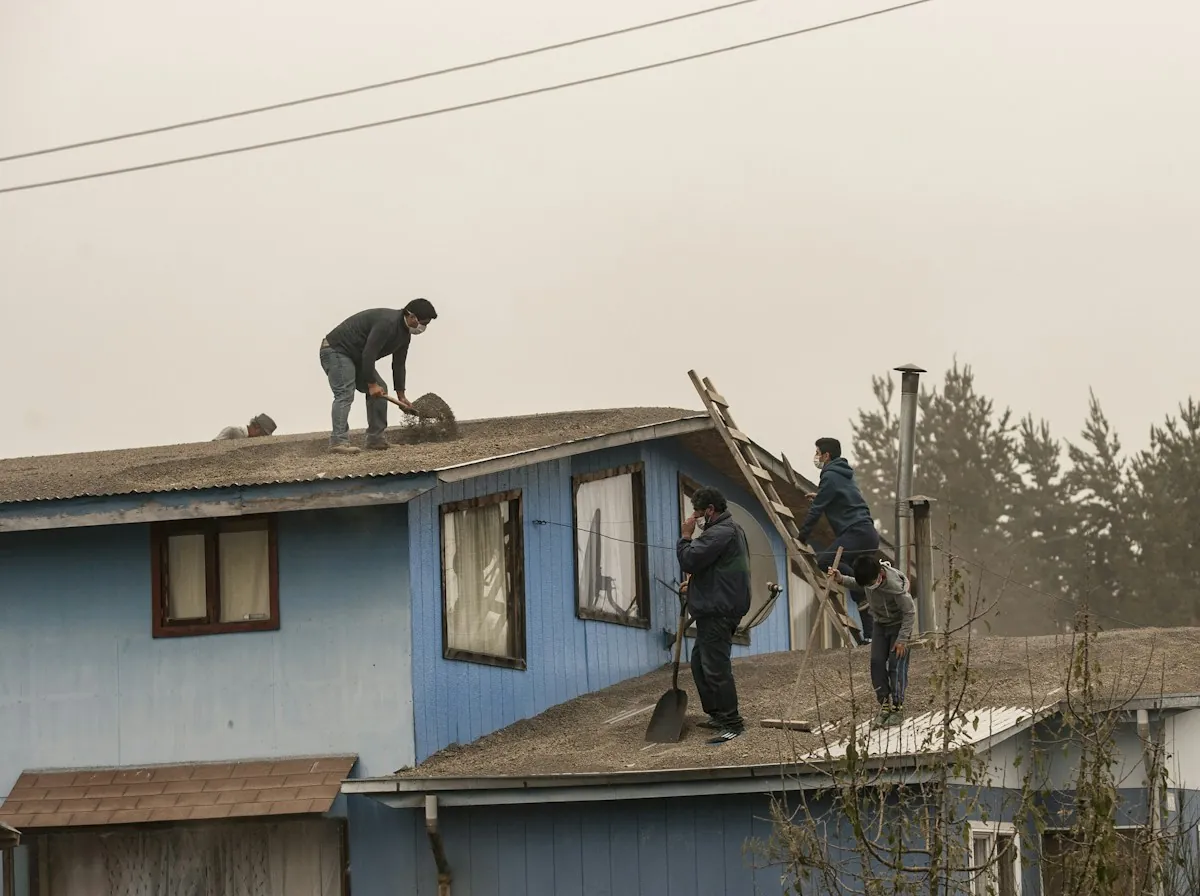
Wet heavy snow north of Boston does not blow off a roof -- it sits. The melt-refreeze cycle runs at the eaves for weeks, and the ceiling below reports the whole winter's work during the first proper thaw. Which is why the calls arrive in a cluster, in the same two weeks, right across the town at once.
Hilly ground and tight lots put access and staging into the price as a real line rather than an afterthought.
In a cape with finished rooms upstairs there is no attic to catch a leak and very little to inspect from inside.
This is the worst combination in the service area for damming: capes with rooms in the roof, where there is very little space between the ceiling and the deck to get insulation and a ventilation path into.
Close-set lots on hilly ground mean shaded slopes and limited airflow, which is exactly what cedar does not want.
Shed dormers on capes create low-slope areas directly above living space, which is the least forgiving place to have one.
We pull the permit. That is what keeps you eligible.
Lakeside and Victorian. Details, not area.
Big simple roofs under a lot of trees.
Large houses, complicated roofs, real cedar country.
The simplest roofs here. Layer count decides it.
A city: every building type within one mile.
What is worth knowing before you book this.
Yes, in writing. If the honest answer is that the covering has years left and whoever told you otherwise was wrong, that is what the document says. A report that finds work every single time is not an inspection service.
Most of it, in this climate. Old water tracks above the wall plate mean ice damming rather than a hole. Frost on the underside of the deck means ventilation. Insulation flattened and dark in one patch shows where water has been getting in repeatedly. None of that is visible from outside.
For a standard asphalt roof on an average house, it is at the top of the range -- most Greater Boston single-family replacements land at $12,000 to $22,000. It is entirely reasonable for a large or steeply pitched house, a roof with a lot of dormers and valleys, or cedar shake at $12 to $20 a square foot. The number alone does not answer the question; what the quote itemizes does. If it does not break out area, tear-off, decking and the ice barrier, no figure can be judged.
Nobody selling roofs is a neutral source on that, so here is what is known rather than a forecast. Roofing prices follow asphalt input costs, freight and local labor availability, and in this region they spike every spring because an entire winter's worth of damage gets reported in the same two weeks after the first real thaw. The practical consequence is not about the year -- it is that the cheapest time to replace a roof is when you choose to, and the most expensive is the month everybody else has decided at once.
Yes in almost every municipality, and here is the part that matters far more than the answer: DO NOT PULL IT YOURSELF. Obtaining permits is the registered contractor's responsibility under M.G.L. c. 142A. A homeowner who pulls their own permit falls into the homeowner exemption, which disqualifies them from recourse under c. 142A and from the Guaranty Fund -- the fund that compensates eligible homeowners up to $25,000 toward unpaid judgments against a contractor. So when a roofer suggests it would be quicker if you pulled it, what is actually being proposed is that you give up your protection to save somebody an afternoon.
The HIC registration number on the paperwork, not just a website. A written contract, as this state requires over $1,000.