Cedar Shake Roof Replacement in Lynnfield from $12. $12 to $20 a square foot, and the only roof on this site that needs looking after. Free inspection and a written quote.
This is the real cedar territory on this site: larger houses, more open plots, and the kind of architecture cedar suits. Ventilation beneath the shakes is part of the system rather than an extra, and on a complicated roof that detailing is most of the skill.
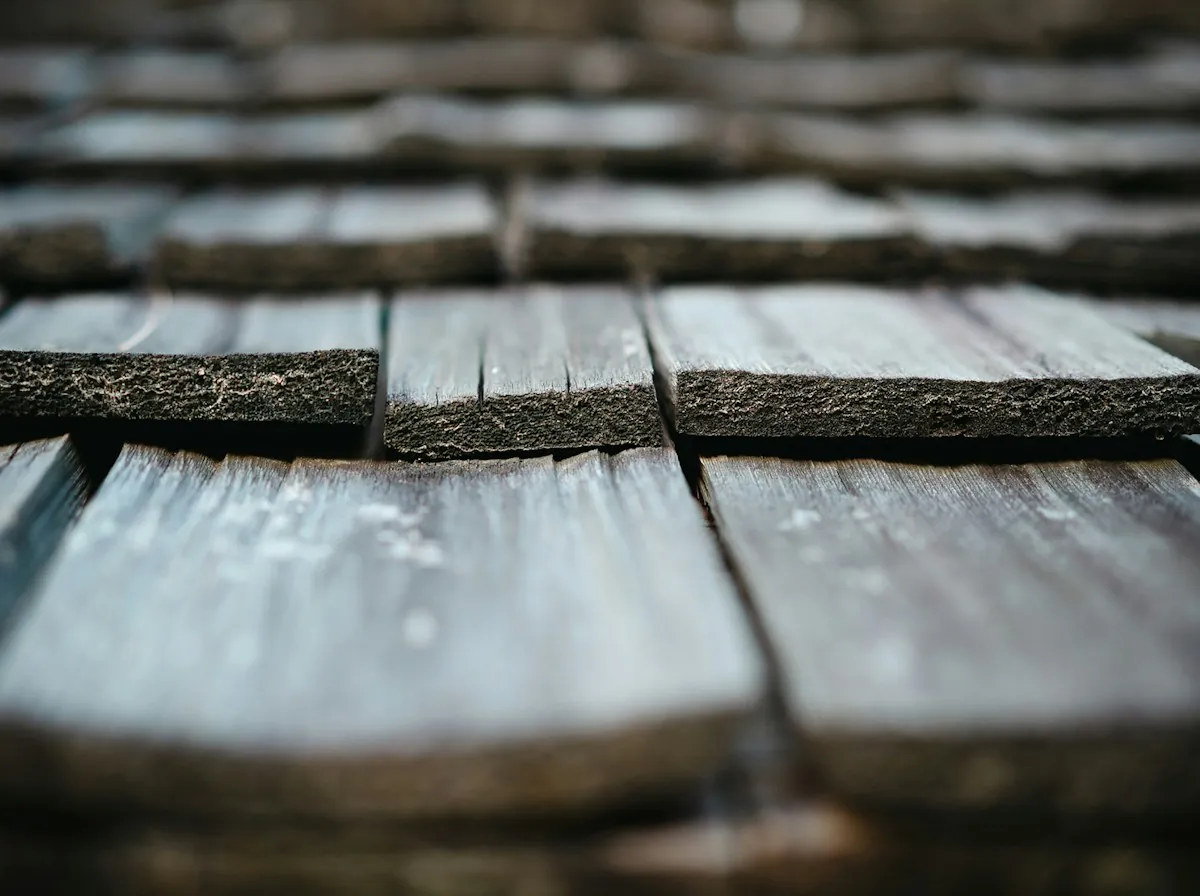
Cedar shake installs at roughly $12 to $20 per square foot in this market, against $6.75 to $11.50 for architectural asphalt. It is the traditional New England covering, it looks like nothing else, and on the right house it is worth the money.


Cedar shake installs at roughly $12 to $20 per square foot here, against $6.75 to $11.50 for architectural asphalt. It is the traditional New England covering and on the right house it is worth it -- but it is the only roof on this site that genuinely needs looking after. Bigger houses, more roof planes, and the only part of this service area where cedar at $12 to $20 a square foot is a live option rather than a theoretical one. Expect the quote to be built from details outward rather than from a rate.
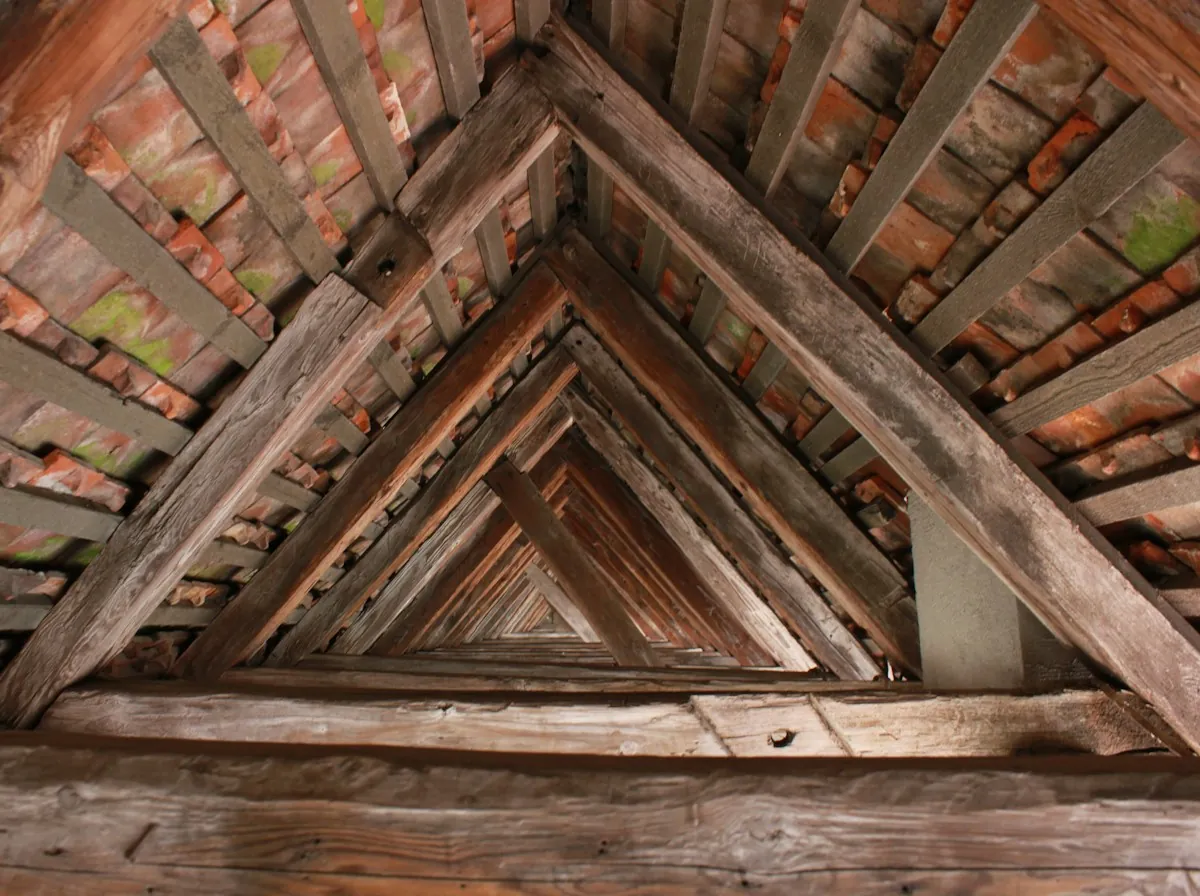
Sun and air. Cedar has to dry out after it gets wet, so an open site with slopes that see daylight is what it wants, and ventilation beneath the shakes is part of the system rather than an extra.
Shade and debris. A north slope under trees holds damp, moss grows into it, and a cedar roof that should give decades gives considerably less. On a heavily wooded lot the honest recommendation is often asphalt.
Cost per year of expected life, conditional on maintenance. A looked-after cedar roof outlasts asphalt comfortably; an ignored one does not, and the comparison is meaningless without deciding which you will be.
Larger houses mean larger roofs and more of them are complicated -- hips, dormers, attached garages and ells all on one building. Cedar shake turns up here more than anywhere else on this site, and cedar wants ventilation and sun, neither of which a wooded lot supplies.
This is the part of the service area where the cedar versus asphalt conversation is a real one rather than a theoretical one.
Massachusetts gives you more than most states. Both of the commonest ways to lose it are things the homeowner does.
This is the one almost nobody knows. Pull the permit yourself and you fall into the homeowner exemption, which disqualifies you from recourse under c. 142A and from the Fund. Obtaining permits is the registered contractor's responsibility under that same chapter.
Any home improvement over $1,000 must be in writing, which covers every roofing job. A verbal price on a roof is not a contract in this state, and a scope that says only 'strip and re-roof' cannot be held to anything.
How far does the ice barrier run up the slope? In this climate a token strip at the eaves is not enough -- it wants to reach past the point where the heated building ends. It is the single most useful thing you can ask a roofer north of Boston.
Bigger houses with more going on: hips, dormers, attached garages and ells all on one building, which means the price is built from details outward rather than from a square-foot rate.
On a large house with several roof planes, water can enter at one junction and appear below another entirely.
On a large house with several planes and an attached garage, dams form where the heated envelope meets the unheated one -- typically over the join between house and garage, or above a room built out into the roof.
Flat sections on large houses are usually small, awkward and visible from somewhere -- a porch roof, a deck over a room, the flat behind a parapet on an ell.
On a large multi-plane roof every plane gets looked at rather than the one somebody is worried about, because they age at different rates depending on exposure.
We pull the permit. That is what keeps you eligible.
Lakeside and Victorian. Details, not area.
Big simple roofs under a lot of trees.
The simplest roofs here. Layer count decides it.
Hilly, tight, and full of capes with rooms in the roof.
A city: every building type within one mile.
What is worth knowing before you book this.
On an open site with slopes that see sun and air, and on a house the architecture suits, yes -- it outlasts asphalt comfortably when it is looked after. On a heavily wooded lot it is not, because cedar has to dry out and shade plus debris will end it years early. We will say which yours is.
Keeping it clear of debris, keeping moss off, and keeping the ventilation beneath it working. That is not onerous but it is not nothing, and it is the whole difference between a cedar roof that justifies its price and one that does not.
Not on age alone. Twenty years is well inside the normal service life of architectural asphalt and at the end of it for three-tab, so the first question is which you have. Then it is condition: granule loss, brittleness, how flat the covering lies, whether the deck is sound. North of Boston, add one more -- whether it has been damming. A roof with twenty winters of meltwater under its bottom courses is considerably older at the eaves than it is anywhere else, and that is where it will fail.
Rarely the full term in this climate. The rating describes the material under test conditions, not a roof on a particular house north of Boston. What shortens it here is the melt-refreeze cycle at the eaves, roof space ventilation, and how well the thing was nailed on day one. A 30 year product commonly gives 20 to 25 real years here, and a roof with proper ice barrier coverage and a working ventilation path will beat one without by several of them.
Nobody selling roofs is a neutral source on that, so here is what is known rather than a forecast. Roofing prices follow asphalt input costs, freight and local labor availability, and in this region they spike every spring because an entire winter's worth of damage gets reported in the same two weeks after the first real thaw. The practical consequence is not about the year -- it is that the cheapest time to replace a roof is when you choose to, and the most expensive is the month everybody else has decided at once.
The HIC registration number on the paperwork, not just a website. A written contract, as this state requires over $1,000.